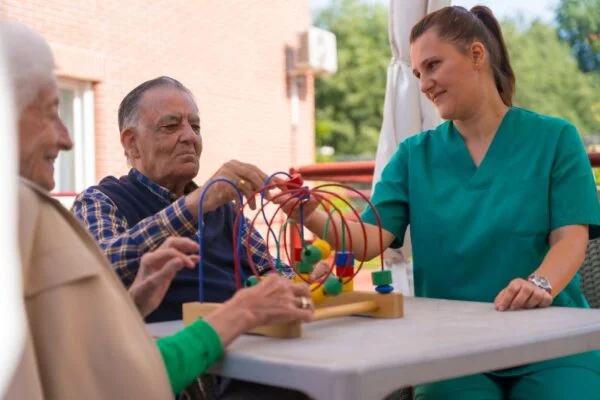
What is the Level 3 Health and Social Care qualification in the UK, and who is it for
If you want to start a career in care, or you are already working in a care role and want to progress, Level 3 is one of the most recognised steps in the UK.
If you are looking to start a career in care, or you are already working in a care role and want to progress, you will probably come across Level 3 Health and Social Care. It is popular because it builds practical knowledge, confidence, and employability, without needing you to go to university.
This guide explains what the Level 3 Health and Social Care qualification is, what you learn, how long it takes, and who it is best suited to.
Quick summary, Level 3 is a vocational qualification level that helps you work safely and professionally in health and social care, and it supports progression into senior roles.
What is Level 3 Health and Social Care in the UK
Level 3 Health and Social Care is a qualification level that sits above Level 2 and below higher education. In adult social care, Level 3 is often seen as the point where you move from basic support work into a more confident, skilled practitioner level.
In simple terms, it is designed to help you work safely and professionally with people who need support, for example older adults, people with disabilities, people with long term health conditions, or individuals who need support with day to day living.
You may see different course names depending on the awarding organisation and provider, such as:
- Level 3 Diploma in Adult Care
- Level 3 Health and Social Care certificate or diploma programmes
- Level 3 Extended Diploma in Health and Social Care, often used in colleges for learners progressing to university
The key thing to check is that it is a recognised UK Level 3 programme, and it links clearly to real workplace practice and progression routes.
Is Level 3 Health and Social Care the same as A levels
Level 3 is the same level as A levels, but it is not the same type of qualification.
A levels are mainly academic and exam based. A Level 3 Health and Social Care programme is usually more vocational, meaning it focuses on practical skills, real scenarios, and workplace competence. Many Level 3 diplomas involve building evidence from your work setting, such as observations, reflective accounts, professional discussions, and written tasks.
If you prefer learning that connects directly to the job, Level 3 is often a better fit than a purely academic route.
What do you learn in a Level 3 Health and Social Care qualification
The exact units vary by awarding body, but Level 3 programmes usually cover the knowledge and skills employers want you to use every day. Common themes include:
Safe practice and standards
- Safeguarding adults and responding to concerns
- Duty of care, dignity, privacy, and rights
- Health and safety, infection prevention and control
Quality care delivery
- Person centred care planning and risk assessment
- Communication, including supporting additional needs
- Equality, diversity, and inclusion in practice
Depending on the role and setting, you may also cover medication support, mental capacity, consent, and best interest decisions, plus professional boundaries and record keeping.
You are not just learning definitions. You are learning how to apply them, for example what good safeguarding looks like on shift, how to write accurate notes, and how to reduce risks while still promoting independence.
How long does Level 3 Health and Social Care take
The length depends on the course format and whether you are studying while working. Many learners complete a Level 3 Diploma in Adult Care in around 9 to 18 months.
Some programmes can be faster if you are already experienced and can gather evidence quickly. Others take longer if you are part time, new to the sector, or have limited workplace opportunities to build evidence.
Do you need to be working in care to do Level 3 Health and Social Care
This depends on the type of Level 3 programme.
- If you are doing a work based diploma, you usually need to be working, volunteering, or on placement, because assessment involves workplace evidence.
- If you are doing a college style Level 3 course, you may not need a job at the start, but you will typically need a placement as part of the programme.
If you are not currently working in care, a good training provider should explain the options clearly and help you understand what is required before you enrol.
Who is Level 3 Health and Social Care for
Level 3 is suitable for several types of learner. It is most commonly for:
People starting a career in care
Level 3 can help you become employable and confident, especially when combined with practical experience. It signals to employers that you understand professional standards.
Care staff who want to progress
This route supports progression into roles such as Senior Care Assistant, Senior Support Worker, Team Leader, or keyworker positions, depending on the setting.
Career changers
If you bring transferable skills such as communication and teamwork, Level 3 helps you add care specific knowledge like safeguarding, care planning, and safe practice.
Learners planning leadership later
If your goal is Deputy Manager or Registered Manager, Level 3 can be a solid foundation before progressing to Level 4 and Level 5 leadership routes.
What jobs can you get with Level 3 Health and Social Care
A Level 3 qualification can support applications for roles such as:
- Care Assistant or Support Worker roles, with stronger progression potential
- Senior Care Assistant, Senior Support Worker, Team Leader roles, depending on experience
- Dementia support roles, learning disability support roles, supported living roles
- Care coordinator or assistant roles in some services, depending on the employer
Level 3 helps, but employers still look for attitude, reliability, and practical competence. The best outcomes come when your qualification is backed by real experience and good references.
Entry requirements for Level 3 Health and Social Care
Entry requirements vary by provider. Some will ask for Level 2 or a basic standard of English and maths. Others accept learners without formal qualifications if they can demonstrate commitment, communication skills, and suitability for care work.
If English is not your first language, some providers may ask for evidence of language ability, because care work involves clear communication, accurate notes, and understanding policies.
How to choose the right Level 3 Health and Social Care course
Before enrolling, check these practical points:
- Is it recognised and regulated, or delivered through a reputable awarding organisation
- Does it match your goal, adult care, health and social care broadly, or progression to university
- Is it work based or classroom based, and do you have the right setting for evidence
- How is it assessed, for example assignments, observations, professional discussions
- What tutor and assessor support is included, especially if you are returning to study
Is Level 3 Health and Social Care worth it
For many people, yes. It improves confidence, increases employability, and opens the door to senior roles. It also supports safe practice, which matters in a sector where safeguarding, dignity, and quality are non negotiable.
If you want a clear progression pathway, Level 3 builds the foundation, Level 4 strengthens advanced practice and responsibility, and Level 5 supports management and leadership.
Frequently asked questions
Can I do Level 3 Health and Social Care online
Many providers offer online delivery. If the course is work based, you will still need a workplace or placement to complete evidence and assessment requirements.
Is Level 3 suitable if I have never worked in care
It can be, but you should check whether the programme needs workplace evidence. If it does, you will need a job, volunteering role, or placement to complete the qualification properly.
Does Level 3 lead to management
Level 3 supports progression into senior care roles and can be the foundation for Level 4 and Level 5 leadership and management pathways.
Want to study Level 3 and progress in care
If you are considering Level 3 Health and Social Care, a quick chat about your experience and goals can help you choose the right route.
Check details of Level 3 Health and Social Care course